Skip navigation

Force Transformation Command

The main task of the Force Transformation Command is to coordinate the sustainable growth of the Defence Forces’ combat capability. The Command supports the existing forces and arms to eliminate identified capability gaps at an appropriate pace, ensuring comprehensive and coherent development across the entire Defence Forces.


The Force Transformation Command reports directly to the Commander of the Defence Forces. The primary goal of the Command is to gather and maintain a fresh overview of military and technological developments and to identify which innovative solutions the Defence Forces as a whole need.

„Innovation is not always about inventing new solutions, but about enhancing and thoughtfully implementing what already exists throughout Estonia – be it knowledge, resources, infrastructure or best practices.“
—Major Ivo Peets

The Force Transformation Command primarily focuses on initiating and managing development projects and coordinating the entire process of resolving capability gaps, from the precise definition of needs to the integration of thoroughly tested solutions. In achieving this goal, it is important to find the most suitable solutions for Estonian conditions and ensure the efficient and reasonable use of resources allocated to national defence.

In addition, the command has an important role in organising cooperation among the Defence Forces, the defence industry, research institutions, public institutions, and international partners, thereby shaping a comprehensive defence ecosystem.

A permanent cooperation network can be used to pool existing resources, knowledge and experience to achieve the best results and respond more quickly to critical capability gaps.


Baltic Defence Line Enhancement Programme


The Force Transformation Command’s Baltic Defence Line Enhancement Programme leads the development of an integrated capability solution for the defence line, linking the physical defence line with new technologies, necessary military capabilities, and NATO and regional initiatives.

The programme establishes the prerequisites to accelerate the process for solutions meeting the defence line’s needs, moving them quickly from testing to integration and adoption.

Tasks:

  • Leading the development of a comprehensive and prioritized capability solution for the defence line
  • Linking the defence line with NATO and regional initiatives, as well as capability developments
  • Supporting the discovery and deployment of new technological solutions to Estonia that meet the needs of the defence line
  • Accelerating the testing, integration, and adoption of solutions
  • Fostering cooperation between the Defence Forces, allies, research institutions, and the defence industry.

Space-enabled Capabilities’ Programme


The objective of the Force Transformation Command’s Space-enabled Capabilities’ Programme is to utilize space technologies to strengthen Estonia’s defence capabilities. The programme coordinates the development of satellite communications, space-based remote sensing, and positioning, navigation, and timing (PNT) capabilities.

These abilities improve the situational awareness of the Defence Forces and help maintain command, communication, and operational capacity even in a disrupted environment.

Tasks:

  • Developing secure and multi-layered satellite communications that support the command and information exchange of the Defence Forces, even during ground-based communication disruptions
  • Ensuring needs-based access to space-based remote sensing data, while accelerating its processing and delivery to users
  • Developing reliable positioning, navigation, and timing (PNT) capabilities, including during satellite navigation disruptions
  • Advancing cooperation with allies, international organizations, research institutions, and enterprises, while building the knowledge and skills of the Defence Forces in the space domain.

AI and Autonomy programme


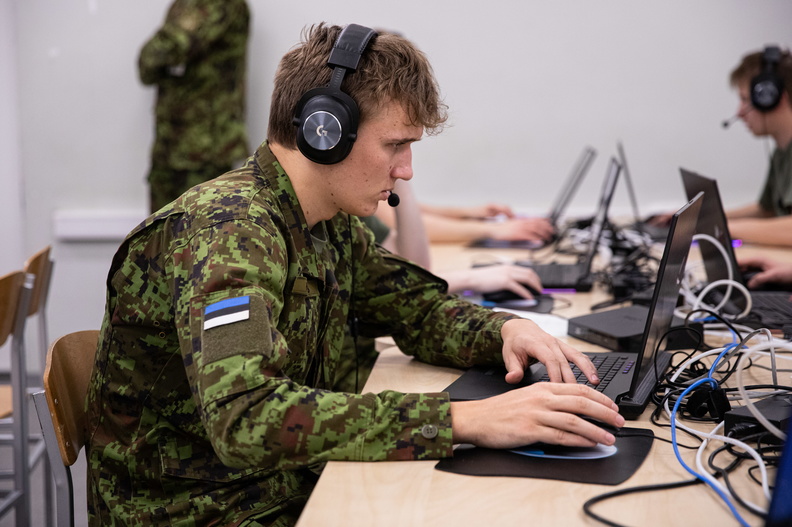
The Force Transformation Command’s Artificial Intelligence and Autonomy Programme is responsible for the implementation of artificial intelligence and autonomous systems across the Estonian Defence Forces, ranging from day-to-day staff and support functions to the command of military operations. 

The programme provides AI capabilities to units as a unified service and covers the entire chain, from data and situational awareness to decision-making and execution.

The solutions introduced are tested and secure for use in Defence Forces environments, and their use is monitored and traceable.

Tasks:

  • Applying artificial intelligence to operational planning, staff work, and command and control.
  • Providing situational awareness and decision support at all levels of command, and reducing the time from decision to action.
  • Applying artificial intelligence to the Defence Forces’ administrative and support processes.
  • Testing artificial intelligence and autonomous systems, assessing their security and risks, and developing safe and traceable practices for their use.
  • Cooperating with the defence industry, research institutions, and allies in the development of military AI.

Uncrewed Systems and Counter-Uncrewed Systems Programme


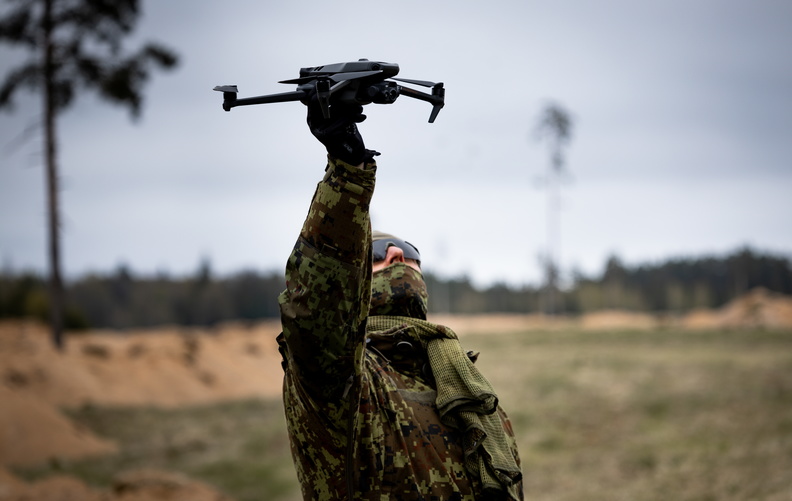
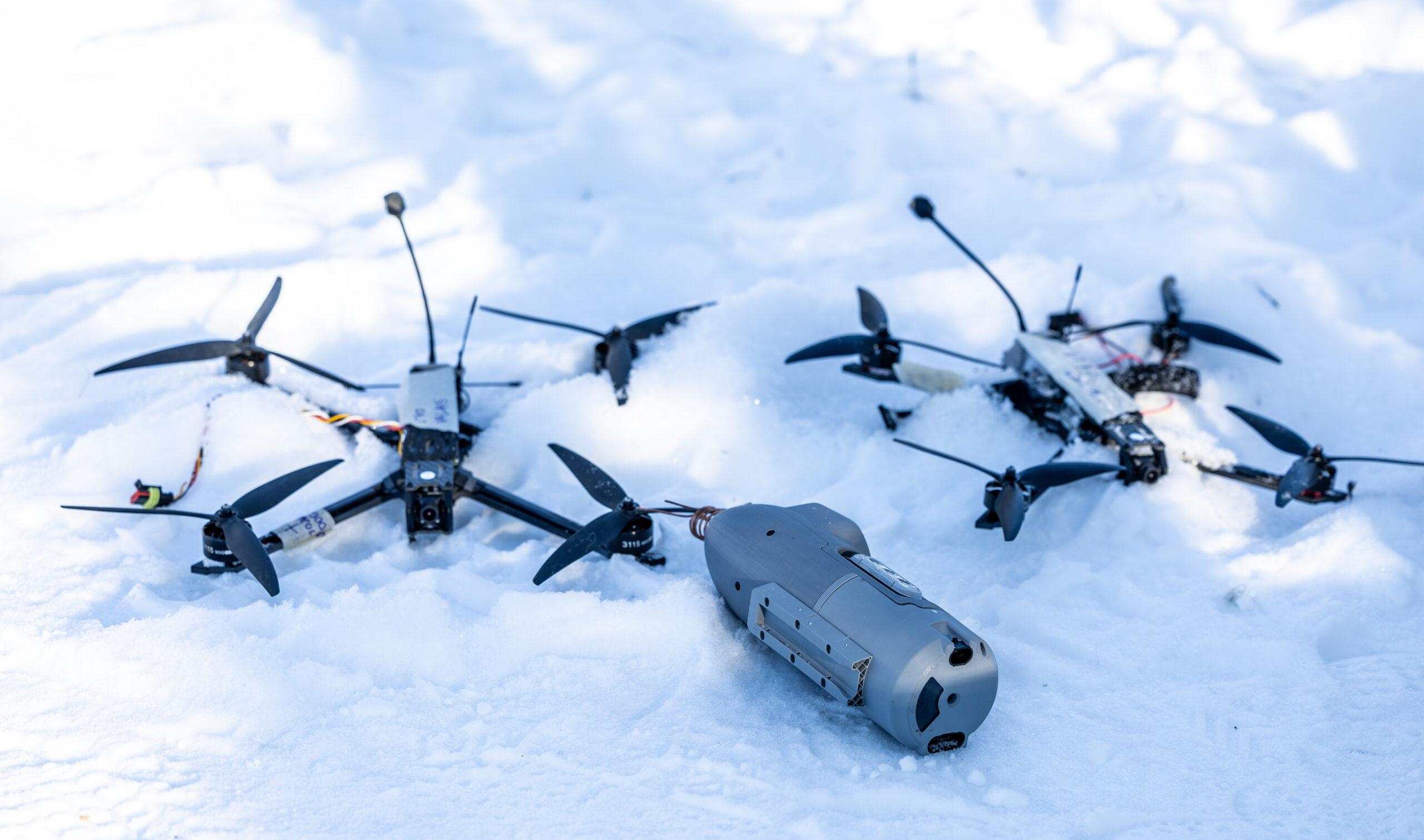
The Force Transformation Command’s Uncrewed Systems and Counter-Uncrewed Systems Programme develops the Estonian Defence Forces’ ability to employ uncrewed systems and counter-uncrewed systems as an organic and integrated component of modern warfare.

The Programme brings together capability requirements development, technology experimentation and validation, operational integration, training, standardisation, and cooperation with industry, academia, government institutions, and allied partners. 

Its objective is to accelerate the adoption of battlefield-relevant solutions and ensure their systematic, scalable, and sustainable integration across the Defence Forces.

Tasks:

  • Testing, experimenting with, and validating uncrewed systems and counter-uncrewed systems against the operational requirements and employment environments of the Defence Forces
  • Integrating uncrewed and counter-uncrewed capabilities into unit structures, command and control, combat operations, and other relevant military capabilities
  • Supporting the development and delivery of training for professional military personnel, conscripts, and reservists, and ensure that lessons identified and operational experience are systematically incorporated into training and education
  • Developing common procedures, standards, and best practices for the employment, testing, safety, handling, and sustainment of uncrewed and counter-uncrewed systems
  • Systematically assessing emerging technologies, battlefield experience, and best practices, and rapidly translate relevant findings into capability development, doctrine, training, and operational employment
  • Strengthening cooperation and interoperability among Defence Forces units, allied forces, government institutions, the defence industry, and research and development organisations in order to reduce duplication of effort, accelerate innovation, and enhance the interoperability and operational effectiveness of emerging capabilities.

Force Management


The Force Transformation Command’s Force Management Department is responsible for shaping and directing the Defence Forces’ military capabilities in the context of technological development and the evolving security environment, ensuring a sustainable and future-ready force.

Tasks:

  • Developing and managing capability portfolios and force programmes
  • Coordinating the analysis of capability gaps and options for addressing them
  • Conducting resource analysis and developing resource estimates for capability solutions.

International and Defence Cooperation Department


The International and Defence Cooperation Department of the Future Capability and Innovation Command develops and coordinates cooperation between the Estonian Defence Forces, government institutions, Allies, international organisations, research institutions, and the defence industry to accelerate the development and adoption of new capabilities and innovative solutions.

The Department builds cooperation networks, facilitates the exchange of needs and opportunities, and supports the development of Estonia’s defence capabilities through national and international cooperation.

Tasks:

  • Developing and coordinating cooperation between the Estonian Defence Forces, government institutions, Allies, international organisations, research institutions, and the defence industry
  • Communicating the capability and innovation needs of the Estonian Defence Forces and supporting the identification of suitable cooperation partners and solutions
  • Facilitating the involvement of the defence industry, research and development institutions, and other partners in the development of capabilities and innovative solutions
  • Supporting the preparation and implementation of joint projects, trials, exercises, and other cooperation activities
  • Sharing knowledge, experience, and best practices gained through cooperation and supporting their application within the Estonian Defence Forces.

Contacts

People

Major Ivo Peets

Commander of the Force Transformation Command

Major Janar Pekarev

Deputy Commander of the Force Transformation Command for Innovation

Last updated: 8. October 2026, 15:17

Scroll to top